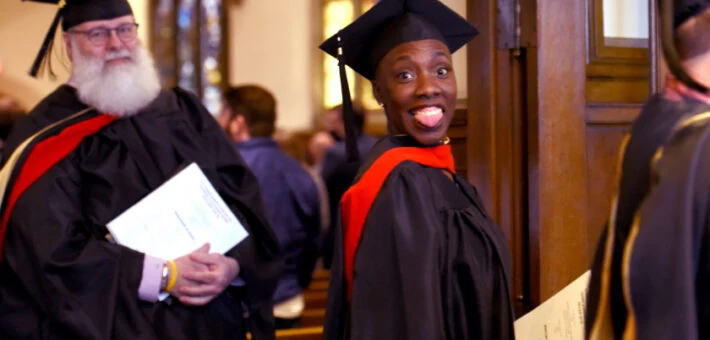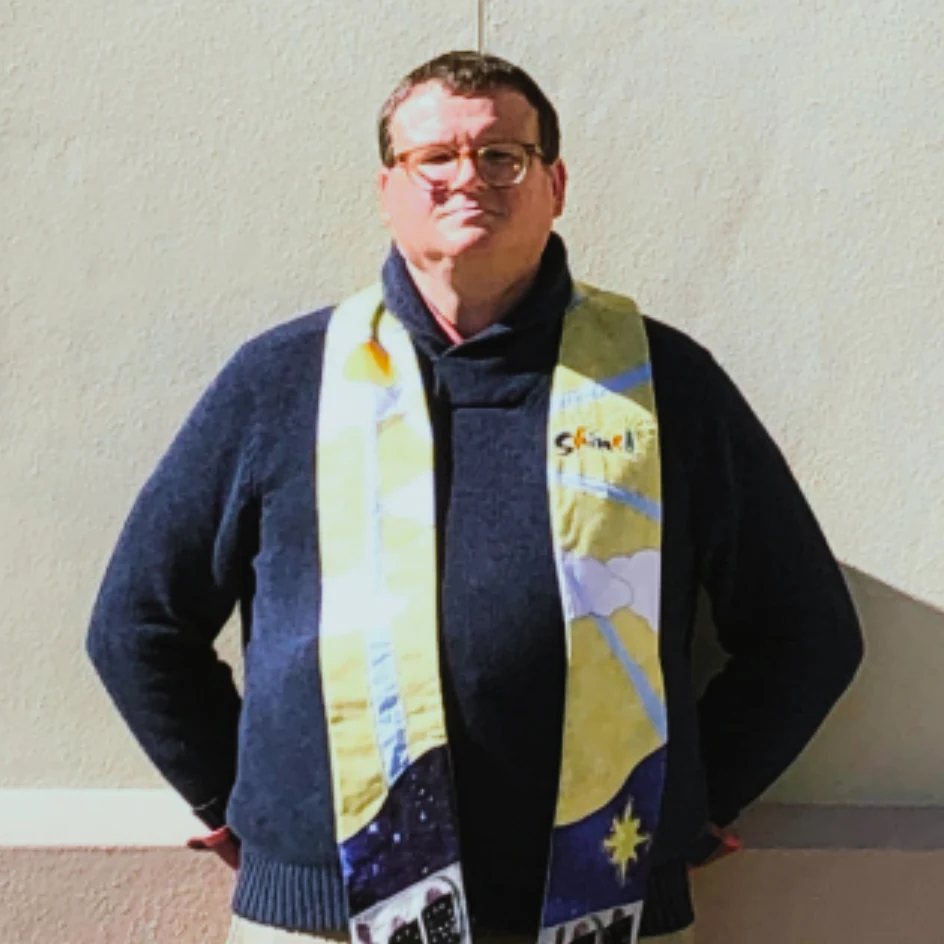
“My theological training at United is helping prepare me as a scholar and as a minister and very few seminaries actually do both! United has allowed me to grow in ways that I could have never imagined.”
Chance Martinez-Colon – MDiv, UCC Studies; DMin Student
Master of Divinity Concentrations
With a wide range of Master of Divinity program offerings, you can find the best MDiv degree concentration to prepare you for the next step in your spiritual journey. United’s MDiv degree offers the following areas of concentration:
Interreligious Chaplaincy
Social Transformation
Theology and the Arts
Church Leadership
Presbyterian Studies
UCC Studies
UU Studies
UU Studies and Social Transformation
Humanist Studies
Interreligious Chaplaincy—Islamic Focus
Spiritual Direction
Biblical Studies
Religion and Theology
General Studies
Take the Next Step Towards Your Calling
Whether you are preparing for ordained ministry, chaplaincy, nonprofit leadership, justice work, spiritual care or continued theological study, United’s accredited MDiv degree offers the flexibility and depth to help you grow as a compassionate, well-equipped faith leader.
With MDiv distance learning options, multiple concentrations, experienced faculty and opportunities for financial aid and scholarships, United makes it possible to pursue your MDiv in a way that fits your life and your future. Ready to take the next step? Apply online to begin your journey.
Master of Divinity Degree FAQs
What can you do with an MDiv?
A Master of Divinity degree prepares you for ordained ministry, chaplaincy, nonprofit leadership, or social transformation work. United’s MDiv program offers 11 concentrations, including Spiritual Direction, Humanist Studies, Social Transformation, UCC Studies and more.
Is an MDiv worth it?
If you’re discerning a call to serve others through ministry leadership, interreligious chaplaincy, or community transformation, a Master of Divinity degree is a meaningful and strategic investment.
How long does a Master of Divinity take to earn?
United’s Master of Divinity program is a 72-credit degree that takes 3 years full-time or about 4 years part-time. Our flexible pacing and Distance learning options support both career changers and working students.
Is a Master of Divinity degree accredited?
Yes. United’s Master of Divinity degree is fully accredited by the Association of Theological Schools (ATS), the national accrediting body for theological education. Our MDiv degree meets the highest standards for academic rigor and is recognized for chaplaincy certification, Clinical Pastoral Education (CPE), and denominational ordination requirements.
Can I get an online Master of Divinity degree?
Yes, United offers a fully online Master of Divinity program designed for students across the U.S. and beyond. Our 100% distance-learning seminary model allows you to complete your theological education remotely without compromising academic quality, community connection, or vocational formation.
How many credits is a Master of Divinity program?
United’s Master of Divinity program requires 72 credits and includes core coursework in scripture, theology, ethics, and spiritual formation, along with electives that align with your ministry focus.
Do I need to be Christian to pursue an MDiv degree?
No, you do not need to identify as Christian to pursue a Master of Divinity at United. We are an interreligious institution with a religiously diverse student body, and our MDiv program welcomes students from all faith traditions and spiritual backgrounds. Whether you’re preparing for general MDiv studies, Unitarian Universalist ministry, or Interreligious Chaplaincy—an especially popular program for non-Christian students—, United supports your journey with a commitment to justice, equity, and compassion.
Is an MDiv degree required for chaplaincy certification?
Yes, board-certified chaplaincy through BCCI typically requires an accredited Master of Divinity. United’s MDiv program meets this requirement and supports Clinical Pastoral Education (CPE) and interreligious paths.